
WHAT IS EMDR THERAPY?
 EMDR stands for Eye Movement Desensitization and Reprocessing. In this definition, desensitization means reducing the degree of distress caused by disturbing information such as emotions, thoughts, bodily sensations, sounds or smells; reprocessing means transforming the negative beliefs and thoughts that make a person feel distressed into positive beliefs and thoughts.
How Did EMDR Come About?
One day, while out walking, Dr Francine Shapiro, the originator of EMDR, was thinking about something that was troubling her. After a while she noticed that the effect of the disturbing thoughts had diminished. When she looked into what might have caused this, she observed that her eyes moved spontaneously back and forth whenever the disturbing thoughts came to mind. Shapiro carried out controlled studies with eye movements, first on her own and then on volunteers’ negative thoughts and memories, and eventually gave its final form to EMDR therapy – now shown to be effective for many conditions – bringing an effective therapy method to the world of psychotherapy.
Bilateral Stimulation in EMDR
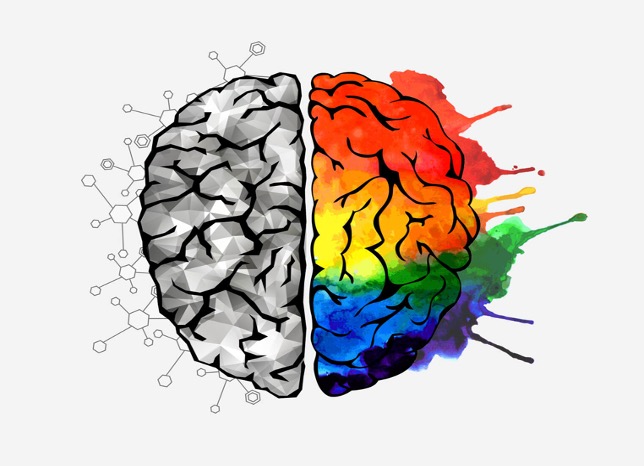
The main purpose of the eye movements mentioned in the definition of EMDR and used during therapy is to make the brain work bilaterally, because what actually brings about reprocessing and desensitization is the rhythmic, bilateral activity of the right and left hemispheres of the brain. As bilateral stimulation was achieved through eye movements in the early applications of EMDR, this became part of its name. Today, however, EMDR can also be applied using eye movements, sounds, vibrations or tapping with the help of a pointer. The key aim is for the bilateral stimulation to be rhythmic and alternate between right and left while the person focuses on the disturbing memory, thought or other trigger, so that the brain works bilaterally.
Is EMDR Suitable for My Reason for Seeking Help?
Will I Be Able to Do It?
Clients who come to therapy for the first time often do not know much about EMDR and may worry whether they will be able to “do” EMDR therapy. A person does not need any special abilities to receive EMDR therapy.
However, the person’s reason for seeking help, how suitable their problem is for the EMDR method, how well they can recall their memories, or another therapy method that the therapist believes would offer a more effective solution may influence the decision on whether EMDR is used.
As for the conditions and situations in which EMDR therapy can be used: it can be applied, with effective results, to post-traumatic stress disorder, depression, panic attacks, panic disorder, social anxiety, generalised anxiety disorder, grief, phobias, addictions, body image disorder, sexual or physical abuse and performance anxiety.
So What Does EMDR Aim For?
In daily life, people are exposed to a range of positive and negative experiences. Our brain tries to process all the information it is exposed to through these experiences and store it in a healthy way. However, although the brain works remarkably well, it sometimes cannot fully do its job and may store this information in an unhealthy way. Information stored in this unhealthy way can lead a person to hold negative beliefs about themselves, to be caught up in negative thoughts or to experience disturbing bodily symptoms.
In such cases, EMDR works first on past events, then on present situations that cause problems and then on future goals. By desensitizing and reprocessing the disturbing memories, beliefs, thoughts, emotions and bodily symptoms, it aims to install the positive belief the person needs and to help them reflect this belief in their behaviour.
This article is for general information only and is not a substitute for diagnosis or treatment. In an emergency, call 112.